
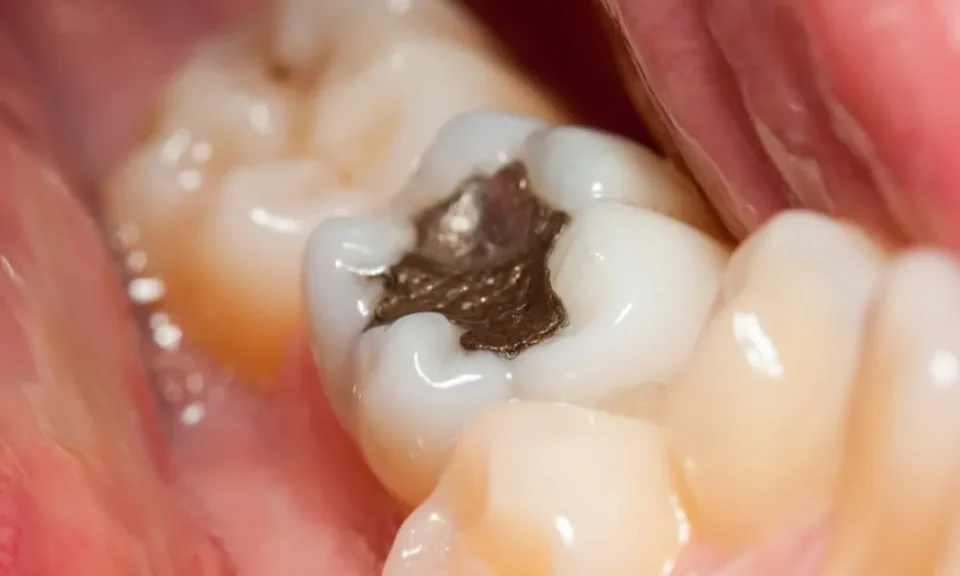
Dental fillings are a common and effective treatment for cavities and tooth decay. Although the process may be quick and painless, some patients may notice lingering soreness or discomfort afterward as advised by the dental office in El Cajon. Knowing how to handle it in ways that your recovery will be made easier as well as more comfortable is beneficial. Below, you will find a guide for the period following dental fillings in El Cajon.
Tips for Managing Pain and Discomfort
1. Over-the-Counter Pain Relief
For mild to moderate pain, the first-line medications are ibuprofen (Advil) or acetaminophen (Tylenol). Follow the directions according to the dosage instructions provided on the label or that have been recommended by your dentist.
2. Do Not Chew on the Filled Tooth
Do your best to not chew on the side of your mouth where the filling is located, particularly if the filling is deep or large. This allows the filling to harden so that it will help to prevent premature bite pain. This also prevents the early morsel of food from causing more discomfort.
3. Use Desensitizing Toothpaste
Special toothpaste made for sensitive teeth can aid in the relief of pain. The way these toothpastes function is they block the nerve channels in your teeth. This will also provide ongoing relief with regular usage.
4. Watch Your Diet
Avoid hot and cold foods or beverages for the first few weeks after receiving a filling, as they tend to cause sensitivity. Avoiding sticky, hard, or crunchy foods that may dislodge the filling and/or cause further irritation
5. Practice Good Oral Hygiene
A healthy oral hygiene is a necessity. Keep brushing and flossing as usual, but be extra gentle around the filled tooth. This prevents any further decay and a chance of inflammation or infection.
6. Adjust Your Bite
If you ever feel your bite is off after the filling, call your dentist. It is discomforting and may even lead to the filling breaking. Some of these aligners might not fit you well, but your dentist can sometimes make small alterations to help with this.

After-Filling Unease
It’s common to feel sensitive, uncomfortable, or in pain following dental work. There are a few possible causes for this:
- Bite Misalignment: Occasionally, the filling may cause a little shift in your bite that hurts
- Effects of anesthetic: You can have some lingering discomfort after the local anesthetic wears off.
- Inflammation: Sensitivity may be exacerbated by inflammation near the filling.
- Neural Irritation: Drilling can irritate the tooth’s internal nerves.
When Should You Call Your Dentist?
Most significantly, below are some warning indications to suggest you should speak with your dental professional:
- Lasting pain: Pain that lasts more than some days could indicate the filling is having a problem.
- Serious Pain: If you are in severe pain that persists even if you take over-the-counter medications to relieve it, have a dentist check the state of your teeth.
- Bite Problems: If you feel that your bite is not even or having trouble chewing, a visit to the dentist could be just what it takes.
- Infection: Swelling, redness, or pus around the filling site may indicate an infection that should be treated by an ear.
Taking care of the tooth after a dental filling in El Cajon is about combining good care with techniques for how to control pain and knowing when to turn to professionals. By adhering to this advice, you can ensure a successful recovery and healthy teeth. If you have any fears or numb the pain, be sure to speak with your preferred local dentist for advice and treatment.
