
Key Takeaways
Donating plasma can provide both financial rewards and a sense of personal fulfillment, which can positively influence your mental well-being. If you’re considering plasma donation NJ, compensation typically ranges from $50 to $75 per visit, with additional bonuses available for frequent donors or referrals.
This process plays a vital role in helping individuals with serious medical conditions, as plasma is used in life-saving treatments for illnesses such as hemophilia, immune disorders, and severe burns.
Vaccinations generally won’t prevent you from donating. In fact, many centers supporting plasma donation NJ prioritize vaccinated donors as part of their commitment to maintaining a safe environment.
If you’re not feeling your best, you may still qualify. Mild or well-managed health conditions often don’t disqualify donors, as centers conduct thorough screenings to determine eligibility.
Safety is a top priority. Plasma donation NJ follows strict medical protocols, using sterile equipment and trained professionals, making the process just as safe as standard blood donation.
The process itself is straightforward. It includes registration, a brief health screening, around an hour for the donation, and a short recovery period afterward-making it accessible even for first-time donors.
When choosing a center for plasma donation NJ, it’s important to consider cleanliness, professionalism, and overall comfort. Whether you go with a local clinic or a larger national provider, your experience should feel safe and well-managed.
Why Plasma Donation Is a Hidden Gem in NJ
The Untold Benefits of Donating Plasma
Blood donation often gets most of the attention, but plasma donation NJ is an equally powerful and often overlooked way to make a difference. What makes it stand out is that it offers a unique combination of helping others while also benefiting yourself.
One of the biggest draws is the financial incentive. Getting compensated for your time can make a real difference, especially if you donate regularly. Beyond the monetary aspect, there’s also a strong emotional reward. Many donors report a sense of purpose and satisfaction, knowing their contribution directly supports patients in need of critical treatments.
There’s also a mental health angle that’s easy to overlook. Engaging in meaningful acts like plasma donation NJ can boost mood, reduce stress, and create a sense of accomplishment. It’s similar to completing a
What They Don’t Tell You About Compensation
Compensation varies, that’s a fact. Different centers, like ABO Plasma, have different pay rates. But let’s tackle the big question: How much can you really earn? In NJ, it’s generally between $50 and $75 per donation. Not bad for an hour’s work, right? But here’s the kicker-sometimes, they offer bonuses for regular donors or for bringing in friends. How would you even know that? You often won’t find it on the brochures. So, don’t settle for just the base pay; always ask about additional perks. That’s smart thinking!
The Real Impact of Your Donation on Patients
Let’s get real for a minute. Donating plasma isn’t just about filling a bag; it’s about saving lives. Plasma is vital for people with conditions like hemophilia or those suffering from severe burns. Imagine needing an urgent treatment-your plasma could be the difference. That’s a heavy thought, sure, but it’s also incredibly empowering. Realizing that your plasma might help someone brings a unique sense of purpose. It goes beyond mere charity; it’s a commitment to humanity.
Common Myths Surrounding Plasma Donation You Should Ignore
“You Can’t Donate If You’ve Had Vaccines” – Myth or Fact?
Let’s squash this myth right now. The idea that vaccines prevent you from donating plasma? Totally unfounded. You might be surprised to know most centers are eager to accept vaccinated donors. It’s a box checked off in terms of safety. They want healthy donors, but vaccinations are often considered a bonus. So, if you’re hesitant because of an old vaccine shot, don’t be. You might be missing out on a great opportunity to help others.
Do You Have to Be Healthy to Donate Plasma?
Now, just to clarify; a healthy donor is indeed a safe donor. But let’s be honest-healthy doesn’t mean flawless. If you’ve got a cold or a significant condition, it’s best to hold off. However, allergies or a mild, well-managed issue often won’t disqualify you. Centers like ABO Plasma have screening processes tailored to determine your eligibility. It’s not a one-size-fits-all situation. Trust me, they know their stuff.
Is Plasma Donation Riskier Than Blood Donation?
You may be curious about this-and it’s a valid concern. But here’s the scoop: plasma donation isn’t more risky than blood donation, not even close. Both follow strict safety protocols. Yes, there’s a needle involved, but that’s where the risk really stops. Trained staff handle everything, using sterile equipment, and keep a close watch on you throughout the process. You’re not venturing into the unknown; it’s a carefully regulated environment focused on your safety.
Working through the Plasma Donation Process: What You Really Need to Know
Step-by-Step: What Happens During Your First Donation
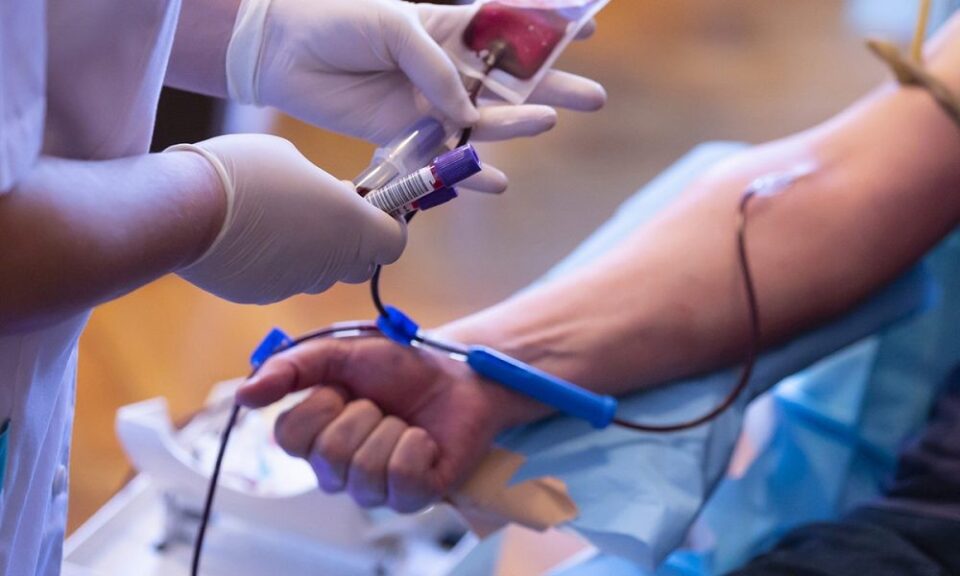
Okay, so you’ve decided to donate. What’s next? Let’s break it down. First, you arrive and sign up. You’ll fill out a form and answer some health history questions. Then, they’ll take a blood sample to check your protein levels. Once cleared, you’ll settle into a comfortable chair. The donation itself lasts about an hour. Just relax and before you know it, you’re going to be done! Piece of cake, really-no fuss, no stress.
- Registration: Fill out forms and share your health history.
- Screening: A quick blood sample for protein checks.
- Donation: Relax in a reclined chair while the plasma flows.
- Post-Donation: Rest and recharge with snacks and drinks.
Tips for Preparing Yourself Before Donation Day
Let’s discuss preparation. You can’t just waltz in as if you’re just making a grocery run. That’s not how it works. Hydration is crucial. Drink plenty of water the day before; being well-hydrated makes it easier for them to find your veins. And let’s be real-make sure to eat a solid meal beforehand. You’ll need that energy! Avoid alcohol and caffeine leading up to your appointment, though. Save those celebrations for after.
- Hydrate well the day before
- Eat a balanced meal prior
- Avoid caffeine and alcohol
- Wear comfy clothing
Aftercare – How to Bounce Back Like a Pro
So, the donation is complete. What now? Recovery kicks off right away. Keep that bandage on for a few hours, and avoid heavy lifting for a bit. You just gave part of yourself, so take care. Keep drinking plenty of water and snack on something healthy too. You’ll feel fine after a short rest, but always listen to your body. If you start feeling dizzy or lightheaded, find a seat until it passes. Knowledge is indeed power!
Finding the Right Plasma Donation Center in NJ
What Makes ABO Plasma in Cherry Hill Stand Out?
Let’s spotlight ABO Plasma-what’s their appeal? Sure, being local breeds a sense of community. But there’s more. Their dedication to donor comfort hits you as soon as you stroll in. It’s clean, organized, and the staff genuinely seem invested in your experience. They want more than just your plasma; they want you to return!
Local vs. National Chains: Where Should You Go?
This is a matter of personal preference. I totally get it-local feels warm and welcoming, while national chains might provide better flexibility regarding hours and locations. It’s your choice. If you cherish that personal touch, go local. But if convenience is your main goal, a national chain might be your best bet. Just ensure whichever one you opt for has a solid reputation for safety and service.
What to Look for in a Safe Donation Environment
Keep your eyes wide open. Not every donation center is the same. While cleanliness is essential, also look for a few key factors: a friendly staff, transparency about their processes, and they should encourage your questions. If you’re a first-time donor, anxiety is common! If a place doesn’t make you feel safe and informed, think again. A secure environment builds trust, and you deserve that when you’re giving.
“Your plasma could make a difference.”
FAQ
Can anyone donate plasma, or are there age restrictions?
That’s a great question! Most centers ask that donors be at least 18 years old. But here’s the twist: some locations may allow 16- or 17-year-olds to donate with parental consent. So, it’s smart to check the local rules before making any assumptions.
How often can you donate plasma without risking your health?
You’re allowed to donate plasma every 28 days, which adds up to about 13 times a year. This frequency ensures your body has enough time to recover properly. Listen to your body, though; while it is possible to donate often, each time takes a toll. Always prioritize your health!
Are there specific medical conditions that disqualify you from donating plasma?
Absolutely, some conditions can indeed disqualify you. Severe health issues, such as uncontrolled diabetes or heart-related conditions, typically keep you from the donor chair. Always be upfront during the health screening, too; staff members are there mainly to ensure your safety and the recipient’s.
What are the side effects after donating plasma?
Most people feel perfectly fine after donating, but some might experience lightheadedness or fatigue. It’s not unusual; your body just lost a part of itself! Staying hydrated and getting some rest can help ease these effects. But if you feel worse than mildly off, it’s wise to seek help-listen to what your body is telling you!
Is there a difference between donating plasma and whole blood?
You bet there is! Plasma donation specifically targets that yellowish fluid that carries cells, while whole blood consists of everything: red cells, white cells, platelets, and all. Plasma donations take about an hour and involve separating components using a machine, whereas whole blood donations are quicker. Each type serves different medical needs, so both are vital!
Can plasma donation help with health issues I might have?
Absolutely! While it’s not a cure-all, plasma donation can come with health perks. Many donors report feeling a greater sense of well-being and even lower blood pressure, thanks to improved hydration and community involvement. Plus, regular donors often find a stronger sense of purpose, which can have a positive impact on their mental health.
How does the compensation scale compare across different states?
Generally, compensation will differ by region based on supply and demand. In NJ, you might see earnings between $50 and $75; in states where there are fewer donors, they might offer more. Check local centers for their rates, and don’t hesitate to negotiate for certain perks. Be proactive!
What should I do if I feel anxious about my first donation?
If those nerves start to kick in, know that it’s completely normal. Chat with the staff; they’re there to help! Educate yourself about the donation process beforehand; having knowledge is a fantastic way to ease anxiety. And if you can, bring along a friend for support. Remember, you’re doing something incredible-keep your focus on that!
