
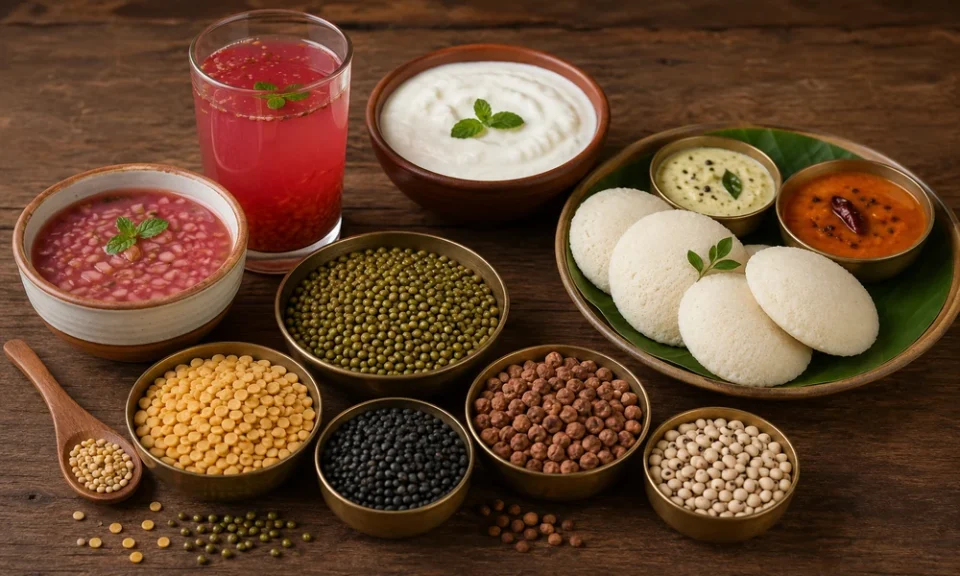
Some of the best foods for gut health are already part of the traditional Indian kitchen, long before probiotics and gut supplements became trends. Indian foods for gut health work because they combine fermented staples, fibre-rich grains, and digestion-friendly spices that have supported healthy digestion for generations. A strong gut does more than ease bloating. It influences immunity, mood, nutrient absorption, and energy.
As Delhi-based best dietician in Delhi,Avni Kaul often notes, you rarely need expensive imported foods to feed your gut well, just the right everyday staples used consistently.
Before the list, it helps to know what your gut actually needs. A healthy gut microbiome thrives on two things: probiotics, the beneficial bacteria found in fermented foods, and prebiotics, the fibres that feed those bacteria. The best Indian foods cover both, and here are ten worth keeping on your plate.
1. Curd (Dahi)
Curd is the most familiar gut food in the Indian diet, and for good reason. It is a natural source of probiotics, supplying live bacteria that support a balanced microbiome. A bowl of fresh homemade curd with a meal is one of the simplest, most effective ways to support digestion every day.
2. Buttermilk (Chaas)
Curd’s lighter cousin is just as valuable. Buttermilk is easy to digest, hydrating, and often taken after meals to ease heaviness. A glass with a pinch of roasted jeera and black salt works as a classic post-meal digestive that doubles as a probiotic boost, especially welcome in warm weather.
3. Idli and Dosa
Made from fermented rice and urad dal batter, idli and dosa are gentle on the stomach and naturally probiotic. The fermentation process increases beneficial bacteria and makes the nutrients easier to absorb, which is part of why these South Indian staples sit so lightly even on a sensitive stomach.
4. Kanji
This tangy fermented carrot and beetroot drink, popular in North India, is a traditional probiotic tonic, especially in the cooler months. Naturally fermented over a few days in the sun, kanji is one of India’s original gut tonics, long before bottled probiotic drinks existed.
5. Millets (Jowar, Bajra, Ragi)
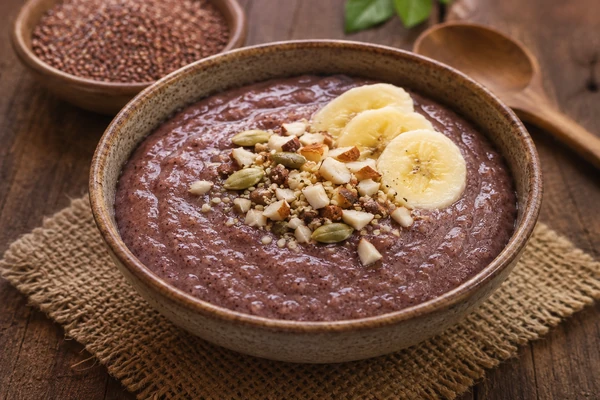
Good bacteria need feeding, and fibre is their food. Millets are naturally high in the prebiotic fibre that keeps your microbiome nourished and digestion regular. They are also gluten free and gentle on blood sugar. Rotating a bajra or jowar roti through the week, or starting the day with ragi porridge, gives your gut a steady supply of what it needs.
6. Whole Grains and Oats
Refined grains lose most of their fibre, so choosing whole over polished is a simple upgrade. Whole wheat, brown rice, and oats all feed your gut bacteria with prebiotic fibre. Oats in particular are rich in soluble fibre, which supports both digestion and steady energy through the morning.
7. Legumes and Pulses
Dals and beans like moong, chana, and rajma are excellent prebiotic sources, feeding good bacteria while adding plant protein. A few habits make them easier on the gut:
- Keep the skin on where possible, as with whole moong or kala chana, for more fibre
- Soak before cooking to improve digestibility and reduce gas
- Pair with a whole grain to round out both fibre and protein
8. Gut-Friendly Vegetables
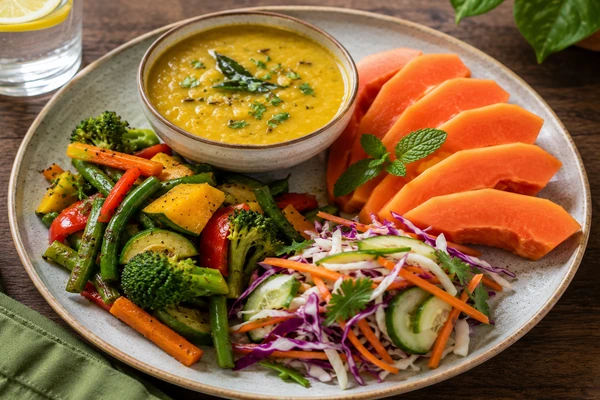
Everyday vegetables quietly support the gut, particularly those that act as natural prebiotics. Some of the most useful include:
- Onion and garlic, both strong natural prebiotics
- Leafy greens like palak and methi for fibre
- Carrots, beans, and bottle gourd, especially with skins left on
Lightly cooking these rather than overboiling helps preserve their fibre and nutrients.
9. Fruits Like Banana and Papaya
Fruit adds fibre and, in some cases, digestive enzymes. Banana is gentle, fibre rich, and feeds good bacteria, while papaya contains an enzyme that helps break down food and soothe digestion. Guava and apple, eaten whole with the skin, add even more fibre. The key is eating fruit whole rather than as juice, which strips away most of the fibre.
10. Digestive Spices
Indian cooking has gut support built right into its spice box. Used everyday, a few spices make a real difference:
- Jeera (cumin) supports digestion and eases gas
- Ajwain (carom seeds) is a classic remedy for bloating
- Saunf (fennel) after meals aids digestion
- Ginger and hing (asafoetida) help reduce gas and ease the stomach
Simple Habits to Tie It Together
Beyond the foods themselves, a few everyday habits help your gut make the most of them. Include a fermented food like curd or chaas most days, lean on whole grains and millets over refined options, eat a variety of vegetables and fruit through the week, and stay hydrated so fibre can do its job. If you are adding a lot more fibre than usual, increase it gradually to avoid bloating while your gut adjusts. For persistent digestive issues that food alone does not fix, Avni Kaul, a gastrointestinal dietician in Delhi, can identify what is triggering your symptoms and build a plan around your gut.
The Bottom Line
The 10 best Indian foods for gut health are the traditional, whole, and fermented staples your kitchen already holds. Build your meals around curd, fermented foods, millets, whole grains, legumes, vegetables, fruit, and everyday spices, and your gut gets steady, natural support without anything imported or expensive.
About Avni Kaul
Avni Kaul is a renowned registered dietician and nutritionist, and the founder of Nutri Activania, a Delhi-based nutrition consultancy. Her credentials include:
- Gold Medallist from the University of Delhi
- Olympic Nutrition Advisor at the 2018 Youth Games in Buenos Aires
- Best Dietician Award at the Fitness Excellence Awards in 2019
Through Nutri Activania, she helps clients improve gut health, digestion, and overall wellbeing using sustainable, evidence-based nutrition built around everyday Indian food rather than restrictive fad diets.
